

Keeping a home clean is less about occasional deep efforts and more about consistency. The question many homeowners face is how often that consistency should happen. Two common options stand out: bi-weekly cleaning and monthly cleaning. Each schedule fits a different lifestyle, home size, and expectation of cleanliness.
Mobile Maids Cleaning Service often helps homeowners figure out the right cadence based on their daily routines, family size, and how quickly their homes accumulate dust and clutter. That same practical approach applies here. Choosing the right schedule is not about picking what sounds ideal. It is about matching cleaning frequency to real life.
Understanding What Bi-Weekly Cleaning Really Means
Bi-weekly cleaning typically means a professional cleaning every two weeks. This schedule creates a steady rhythm that prevents buildup rather than reacting to it after it becomes noticeable.
A home cleaned every two weeks rarely reaches a point where dirt feels overwhelming. Dust has less time to settle deeply into surfaces, bathrooms stay manageable, and kitchens remain hygienic without heavy scrubbing sessions. Floors maintain their appearance with less effort, and high-touch areas stay consistently sanitized.
This schedule suits households where daily tidying happens but deeper cleaning tasks get pushed aside. People with busy work schedules often find that two weeks is the sweet spot. It keeps the home feeling fresh without requiring constant personal effort.
Bi-weekly cleaning also allows cleaning professionals to maintain a higher standard. Since buildup is limited, more attention can be given to detail work like baseboards, fixtures, and surfaces that often get skipped during rushed cleanups.
What Monthly Cleaning Looks Like in Practice
Monthly cleaning operates on a very different rhythm. Instead of maintaining cleanliness, it resets the home once every four weeks. This schedule works best in homes that stay relatively tidy on their own.
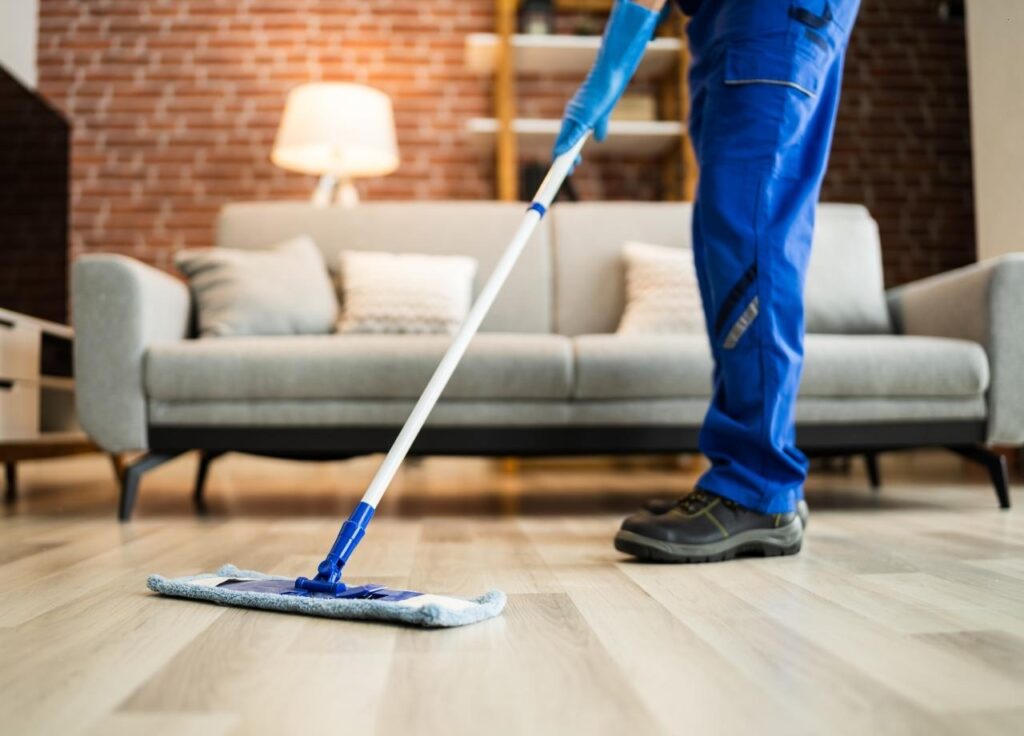
Dust, grime, and clutter have more time to accumulate between visits. Kitchens may develop grease buildup, bathrooms may require more scrubbing, and floors often need deeper attention. The cleaning session itself tends to be more intensive because it is addressing several weeks of buildup.
Monthly cleaning is often chosen by smaller households, individuals who travel frequently, or those who already maintain a strong personal cleaning routine. It serves as a backup to ensure nothing gets neglected over time.
This schedule can still deliver a clean home, but it requires more effort either from the homeowner or the cleaning team during each visit.
Lifestyle Factors That Influence Your Choice
Cleaning frequency is not just about preference. It reflects how a home is used day to day. A busy household with children, pets, or frequent guests will naturally need more frequent cleaning. Dirt and mess accumulate faster, and waiting a full month can lead to noticeable discomfort.
Homes with minimal foot traffic tend to stay cleaner longer. Someone who lives alone and spends long hours outside the house may not need bi-weekly service to maintain a comfortable space.
Work schedules also play a major role. Long work hours often mean less time for routine cleaning. In those cases, bi-weekly cleaning helps fill the gap and keeps the home under control.
Another factor is tolerance for mess. Some people feel stressed when surfaces are not spotless, while others are comfortable with a bit of dust between cleanings. That personal threshold can guide the decision more than any checklist.
The Impact on Indoor Air Quality and Health
Cleaning frequency directly affects indoor air quality. Dust, pet dander, and allergens build up over time, especially in carpets, upholstery, and corners that do not get regular attention.
Bi-weekly cleaning helps keep these elements under control. Regular vacuuming, dusting, and wiping reduce allergens before they spread throughout the home. This can make a noticeable difference for individuals with allergies or respiratory sensitivities.
Monthly cleaning still improves air quality, but the longer gap allows more accumulation. By the time cleaning happens, allergens may already be circulating in the air and settling into fabrics.
Bathrooms and kitchens also benefit from more frequent cleaning. These areas are prone to bacteria growth, and shorter intervals between cleanings help maintain a healthier environment.
Cost Considerations Over Time
Budget plays a role in any decision about professional cleaning. Monthly cleaning typically costs less per month since it involves fewer visits. That makes it appealing for homeowners looking to minimize expenses.
Bi-weekly cleaning has a higher monthly cost, but it often delivers better long-term value. Maintenance cleaning takes less time per visit compared to deep cleaning after a full month of buildup. That can help prevent wear and tear on surfaces, which may reduce the need for repairs or replacements over time.
There is also a time value to consider. A cleaner home requires less personal effort, which can free up hours each month. For many homeowners, that convenience outweighs the difference in cost.
How Cleaning Frequency Affects Home Maintenance
A consistent cleaning schedule does more than improve appearance. It helps protect the condition of the home itself.
Bi-weekly cleaning keeps surfaces in better shape. Dirt and grime are less likely to cause staining or damage when they are removed regularly. Floors maintain their finish, countertops stay polished, and fixtures remain free from buildup that can lead to deterioration.
Monthly cleaning still supports maintenance, but the longer interval can allow buildup to settle into surfaces. Over time, that may lead to more noticeable wear, especially in high-use areas like kitchens and bathrooms.
Regular attention also helps identify small issues early. A cleaning professional visiting every two weeks is more likely to notice problems like mold growth, leaks, or damage before they become serious.
Which Schedule Works Better for Families?
Families often benefit more from bi-weekly cleaning. Children bring activity, spills, and clutter that can quickly overwhelm a home. Keeping up with that level of use requires frequent attention.
Bi-weekly service helps reset the home before mess builds up too much. It keeps living spaces comfortable and reduces the stress of constant cleaning.
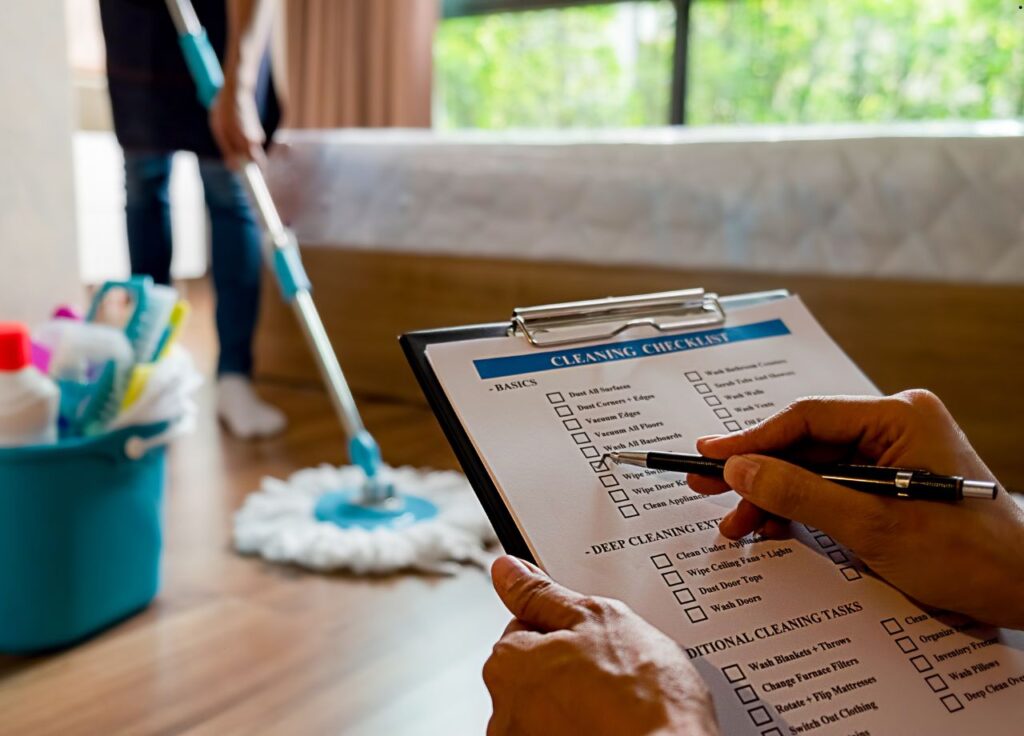
Monthly cleaning can still work for families who maintain strong daily cleaning habits. Still, it often requires more effort between visits to prevent the home from becoming too messy.
Pet owners also lean toward bi-weekly schedules. Hair, odors, and tracked dirt add another layer of cleaning needs that benefit from shorter intervals.
The Psychological Effect of a Clean Home
Cleaning frequency has a direct impact on how a home feels. A consistently clean space supports relaxation and focus. It reduces visual clutter and creates a more welcoming environment.
Bi-weekly cleaning helps maintain that feeling. The home rarely reaches a point where it feels out of control. This steady state can lower stress and make daily routines more enjoyable.
Monthly cleaning can create a cycle of buildup and reset. The home may feel fresh right after cleaning but gradually become more cluttered as the weeks pass. That fluctuation can affect comfort levels, especially for those who prefer a consistently tidy space.
Making the Right Choice for Your Situation
Choosing between bi-weekly and monthly cleaning comes down to how your home functions. There is no universal answer, only what works best for your lifestyle.
Bi-weekly cleaning suits households that want consistent cleanliness without heavy personal effort. It keeps buildup under control and supports a healthier, more comfortable living space.
Monthly cleaning works for homes that stay relatively tidy on their own and need occasional deep attention. It offers a lower cost option but requires more involvement between visits.
A practical way to decide is to observe how your home looks after two weeks without deep cleaning. If it already feels messy or requires significant effort to reset, bi-weekly cleaning is likely the better fit. If it still feels manageable, monthly cleaning may be enough.
Final Thoughts
Consistency defines the effectiveness of any cleaning schedule. A home that receives regular attention will always feel more comfortable and easier to maintain.
Bi-weekly cleaning provides a steady level of cleanliness that fits most active households. Monthly cleaning offers a simpler approach for those with lighter cleaning needs.
The right choice is the one that keeps your home feeling comfortable without adding stress to your routine. A cleaning schedule should support your lifestyle, not complicate it.