
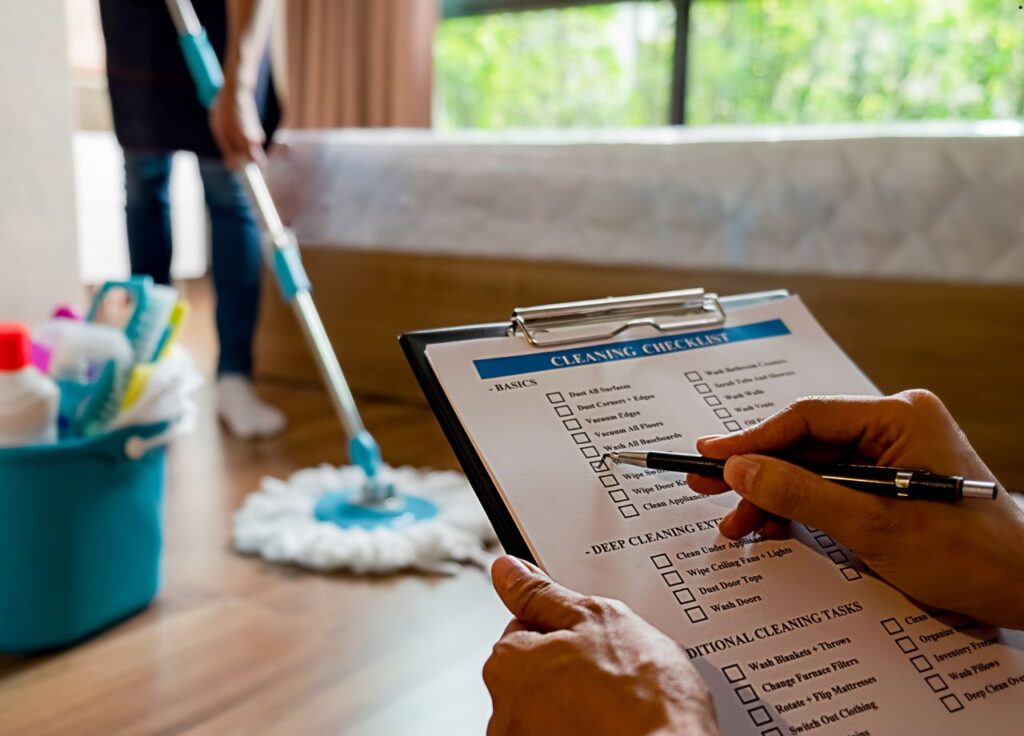
A clean living room shapes the way a home feels every single day. It is where guests gather, where families unwind, and where daily life leaves its marks. Dust, crumbs, pet hair, and clutter build up quickly, often without notice. A clear and structured cleaning checklist helps keep everything under control without feeling overwhelming.
Many homeowners in busy areas rely on professional help from trusted providers like Mobile Maids Cleaning Service to stay on top of regular upkeep. Still, having a reliable checklist makes it easier to maintain a fresh and welcoming space between deeper cleanings.
Start with Decluttering the Space
Clutter hides dust and makes cleaning harder than it needs to be. Clearing surfaces before anything else allows better access to every area of the room.
Begin by removing items that do not belong in the living room. Toys, dishes, mail, and random items tend to collect on tables and shelves. Place everything back where it belongs or organize it into storage bins. This step alone can instantly improve how the room looks and feels.
Take a few minutes to straighten decorative items. Align books, fold blankets neatly, and arrange pillows properly. Small adjustments create a tidy appearance and make the rest of the cleaning process more effective.
Dust All Surfaces Thoroughly
Dusting plays a major role in maintaining indoor air quality and overall cleanliness. Living rooms collect dust faster than expected due to constant activity and airflow.
Focus on High-to-Low Cleaning
Always dust from top to bottom. Start with ceiling corners, light fixtures, and fans. Work your way down to shelves, picture frames, and furniture surfaces. This method prevents dust from settling on areas that have already been cleaned.
Use a soft cloth or duster to capture dust rather than spreading it around. Pay attention to overlooked areas like the tops of doors, window frames, and baseboards.
Handle Electronics with Care
Televisions, speakers, and remote controls attract dust and fingerprints. Wipe them gently using a dry or slightly damp cloth. Avoid excessive moisture to protect sensitive components.
Regular dusting keeps electronics looking clean and functioning properly while improving the overall appearance of the room.
Clean Upholstery and Soft Furnishings
Sofas, chairs, and cushions absorb dirt, odors, and allergens over time. Proper care helps maintain comfort and extends their lifespan.
Vacuum All Upholstered Furniture
Use a vacuum with appropriate attachments to remove dust, crumbs, and pet hair. Focus on seams, crevices, and under cushions where debris tends to accumulate.
Move cushions aside and vacuum the base of the furniture as well. This step prevents buildup that can lead to odors or fabric wear.
Refresh Cushions and Fabrics
Fluff cushions to restore their shape and improve comfort. Rotate them occasionally to ensure even wear.
If removable covers are available, wash them according to care instructions. For non-removable fabrics, a light fabric-safe cleaning solution can help remove minor stains and refresh the material.
Curtains and throws should also be cleaned regularly. These items trap dust and contribute to indoor allergens if neglected.
Wipe Down Hard Surfaces and Furniture
Coffee tables, side tables, shelves, and entertainment units need more than just dusting. Oils, spills, and fingerprints build up quickly in high-use areas.

Use a damp cloth to wipe surfaces thoroughly. Follow up with a dry cloth to prevent streaks or water marks. Pay extra attention to areas that are frequently touched, such as table edges and armrests.
Wood surfaces benefit from gentle care. Avoid excessive moisture and clean along the grain to preserve their finish. Glass surfaces should be wiped until streak-free for a polished look.
Clean Windows and Mirrors for a Brighter Room
Natural light enhances the atmosphere of a living room, but dirty windows and mirrors can reduce that effect.
Wipe down windows using a lint-free cloth to remove smudges and dust. Clean both the glass and the frames for a complete finish. Mirrors should be cleaned carefully to avoid streaks and residue.
Regular attention to these surfaces makes the room feel brighter and more open without much effort.
Vacuum and Clean the Floors
Floors carry the most visible signs of daily use. Keeping them clean improves both appearance and hygiene.
Vacuum Carpets and Rugs
Vacuum thoroughly, focusing on high-traffic areas where dirt builds up quickly. Move furniture when possible to clean underneath and around it.
Rugs should be shaken out or vacuumed on both sides if practical. This helps remove deeply embedded dust and debris.
Mop Hard Flooring
For hardwood, tile, or laminate floors, use a suitable cleaning method that avoids excess moisture. A slightly damp mop works well for most surfaces.
Pay attention to corners and edges where dirt tends to gather. Clean floors complete the entire living room cleaning process and make the space feel refreshed.
Address Hidden and Often Overlooked Areas
A truly clean living room includes areas that are easy to forget during routine cleaning.
Look under furniture such as sofas and entertainment units. Dust and debris often collect in these hidden spots. Moving furniture occasionally allows for a more thorough clean.
Baseboards and vents also need attention. Wipe them down to remove dust buildup that can affect air quality. Light switches and door handles should be cleaned regularly since they are touched frequently.
These small details make a noticeable difference in the overall cleanliness of the room.
Eliminate Odors and Improve Air Quality
A clean living room should smell fresh as well. Odors can linger even after visible dirt is removed.

Open windows when possible to allow fresh air to circulate. This simple step helps reduce stale smells and improves indoor comfort.
Soft furnishings like cushions, rugs, and curtains can trap odors. Regular cleaning and occasional airing out help keep them fresh. Keeping trash out of the living room and emptying nearby bins also prevents unwanted smells.
Maintaining good air quality contributes to a more pleasant and inviting environment.
Create a Weekly and Monthly Cleaning Routine
Consistency keeps the living room from becoming overwhelming to clean. A structured routine helps maintain cleanliness without requiring large amounts of time.
Weekly cleaning can include dusting, vacuuming, and wiping surfaces. Monthly tasks may involve deeper cleaning such as washing curtains, moving furniture, and addressing hidden areas.
Breaking tasks into manageable steps makes it easier to stay on track. Regular upkeep reduces the need for intensive cleaning sessions later on.
Final Thoughts
A well-maintained living room supports comfort, relaxation, and a welcoming atmosphere. Following a clear cleaning checklist ensures no area is overlooked and keeps the space looking its best every day.
Small, consistent efforts make a significant difference over time. Decluttering regularly, staying on top of dust, and caring for furniture all contribute to a cleaner and healthier home.
A structured approach removes guesswork and makes cleaning more efficient. Whether handled independently or with occasional professional support, a clean living room remains one of the most rewarding parts of home care.