
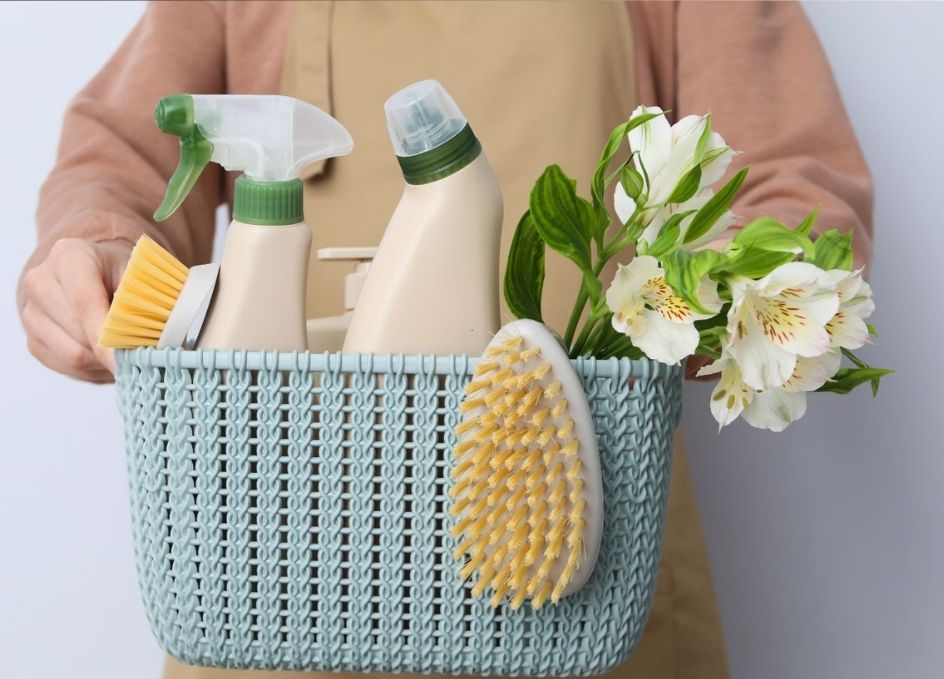
A clean home rarely comes from occasional deep cleaning. Consistency through small weekly tasks keeps living spaces healthy, organized, and comfortable. Dirt, dust, crumbs, and bacteria build up faster than most people expect. A structured weekly house cleaning checklist helps prevent that buildup and makes regular maintenance manageable.
Professional cleaning teams rely on systematic routines to keep homes looking fresh week after week. Homeowners can use the same approach. Structured cleaning habits reduce stress, save time, and prevent larger messes that require hours of effort later. Some homeowners also schedule recurring professional cleanings from services like Mobile Maids Cleaning Service to maintain this routine when work and family schedules become too demanding.
The checklist below follows the same practical structure used by experienced house cleaners. Rooms are handled one by one so no task gets overlooked.
Why a Weekly Cleaning Routine Matters
Weekly cleaning keeps dirt from becoming permanent buildup. Dust accumulates quickly on surfaces, especially in busy households with pets, children, or heavy foot traffic. Waiting too long between cleanings allows grime to settle into fabrics, corners, and flooring.
Air quality also improves with regular cleaning. Dust particles, allergens, and pet dander settle on furniture and floors every day. Vacuuming and wiping surfaces once per week reduces these irritants and helps maintain a healthier indoor environment.
Another advantage comes from efficiency. Smaller cleaning sessions require less time and energy than large catch-up sessions. A weekly routine keeps each task simple and predictable. Cleaning stops feeling overwhelming when responsibilities are broken into manageable steps.
Preparing for Your Weekly Cleaning Session
Preparation saves time and prevents unnecessary interruptions during cleaning. Professional cleaners rarely begin a job without organizing tools and clearing clutter first.
Start by walking through each room and removing items that do not belong there. Clothes, dishes, toys, and paperwork create obstacles that slow the cleaning process. Placing these items back where they belong clears surfaces so actual cleaning can begin.
Gather basic cleaning supplies before starting. Microfiber cloths, a mop, a vacuum, and a general surface cleaner usually cover most weekly tasks. Having supplies within reach eliminates constant trips back and forth across the house.
Set aside enough time to finish the checklist without rushing. A typical weekly cleaning session for an average home takes between one and three hours depending on size and occupancy. Consistency makes each future session faster.
Kitchen Weekly Cleaning Checklist
The kitchen requires careful attention during weekly cleaning. Cooking, food preparation, and daily traffic make this room one of the fastest places for grease, crumbs, and bacteria to accumulate.
Countertops and Food Preparation Areas
Countertops collect spills, crumbs, and oils every day. Wiping them thoroughly each week removes residue that daily quick wipes may miss. Corners, seams, and areas near appliances often trap food particles that attract pests.
Backsplashes should also receive attention during weekly cleaning. Small splatters from cooking accumulate slowly and can harden if ignored. A gentle wipe keeps surfaces looking fresh and prevents staining.
Sink and Faucet Cleaning
Kitchen sinks experience heavy daily use. Soap residue, food scraps, and water spots build up around the basin and faucet.
Scrub the sink thoroughly once per week. Pay attention to drain edges and the base of the faucet where grime tends to gather. Drying the faucet afterward helps reduce mineral spots and keeps fixtures looking polished.
Appliance Exterior Maintenance
Large appliances rarely receive daily attention yet collect fingerprints, grease, and dust quickly. Refrigerator doors, oven handles, and microwave surfaces benefit from a weekly wipe down.
Small appliances placed on countertops also gather crumbs and grease over time. Moving them slightly during cleaning allows access to hidden debris underneath and behind them.
Floor Care
Kitchen floors collect crumbs, spills, and cooking residue every day. Sweeping or vacuuming removes loose debris before mopping begins.
Mopping once per week keeps grease and sticky residue from building up. Pay attention to edges along cabinets and under the table where crumbs tend to settle.
Bathroom Weekly Cleaning Checklist
Bathrooms demand consistent sanitation due to moisture and frequent use. Weekly cleaning helps prevent soap buildup, mildew, and unpleasant odors.
Toilet Cleaning
A thorough weekly toilet cleaning keeps the bathroom hygienic. Scrubbing the bowl removes mineral rings and residue that form over time.
Exterior surfaces deserve equal attention. The seat, lid, handle, and base collect germs through daily use. Wiping these areas with disinfecting cleaner keeps the space sanitary.
Sink and Vanity Areas
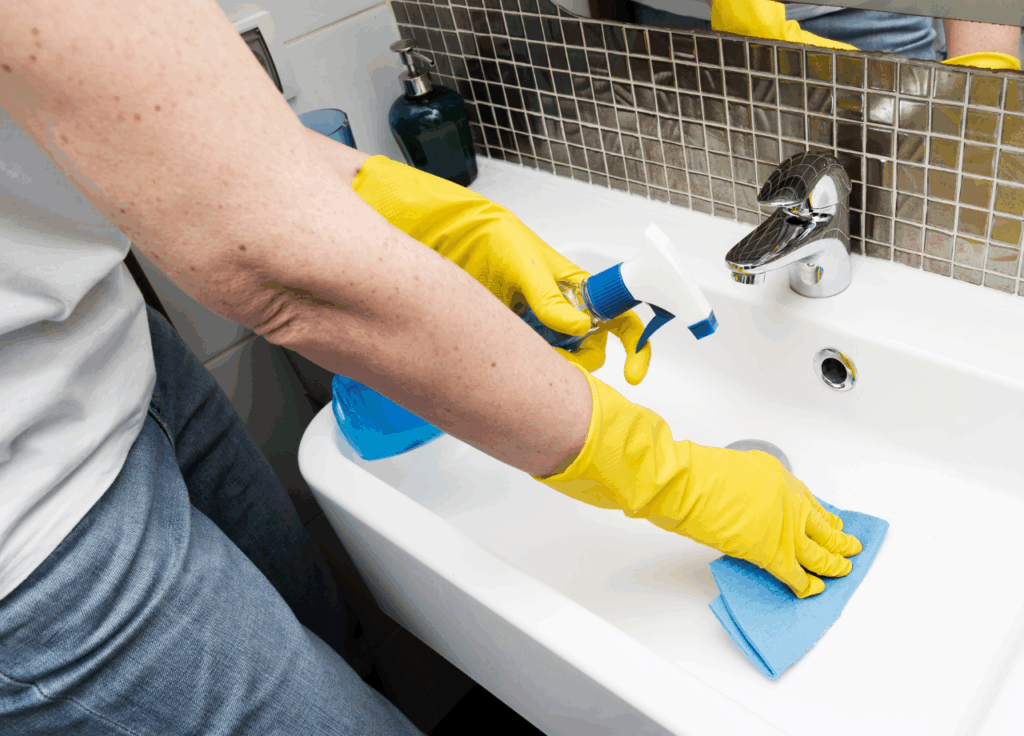
Bathroom sinks often develop toothpaste residue, soap buildup, and water spots. Scrubbing the basin and faucet restores shine and prevents mineral deposits.
Vanity countertops also gather grooming products and cosmetic residue. Removing items temporarily during cleaning allows access to hidden dust and spills.
Mirrors should be wiped with a streak free method to maintain clarity. Bright, clean mirrors improve the appearance of the entire bathroom.
Shower and Tub Maintenance
Soap residue builds up quickly on shower walls and tubs. Weekly cleaning prevents stubborn film from forming.
Pay attention to corners, grout lines, and shelves where moisture lingers. Consistent cleaning discourages mildew growth and keeps surfaces smooth and bright.
Bathroom Floor Cleaning
Hair, dust, and moisture collect on bathroom floors. Vacuuming or sweeping removes loose debris before mopping begins.
Corners near the toilet and vanity often trap dust and hair. Spending a few extra seconds in those areas keeps the floor truly clean.
Living Room Weekly Cleaning Checklist
Living rooms serve as gathering spaces, entertainment areas, and relaxation zones. Regular cleaning keeps these high traffic rooms welcoming.
Dusting Furniture and Surfaces
Dust settles quickly on shelves, tables, lamps, and electronics. Weekly dusting keeps surfaces clean and prevents buildup.
Top surfaces receive attention most often, yet lower shelves and decorative items also collect dust. A systematic approach ensures every surface gets cleaned.
Upholstery Maintenance
Sofas and chairs trap dust, crumbs, and pet hair throughout the week. Vacuuming upholstery removes hidden debris and keeps fabrics fresh.
Seat cushions should be lifted occasionally to remove crumbs and dust that fall between them. Rotating cushions also helps maintain even wear.
Electronics and Decorative Items
Televisions, speakers, and decorative objects attract dust due to static electricity and air movement.
Wiping these items gently each week preserves their appearance and prevents dust layers from forming.
Living Room Floor Care
Carpets benefit from weekly vacuuming, especially in areas with frequent foot traffic. Dirt and debris settle deep into fibers when ignored.
Hard floors require sweeping followed by mopping. Furniture legs and corners tend to collect dust that becomes noticeable over time.
Bedroom Weekly Cleaning Checklist
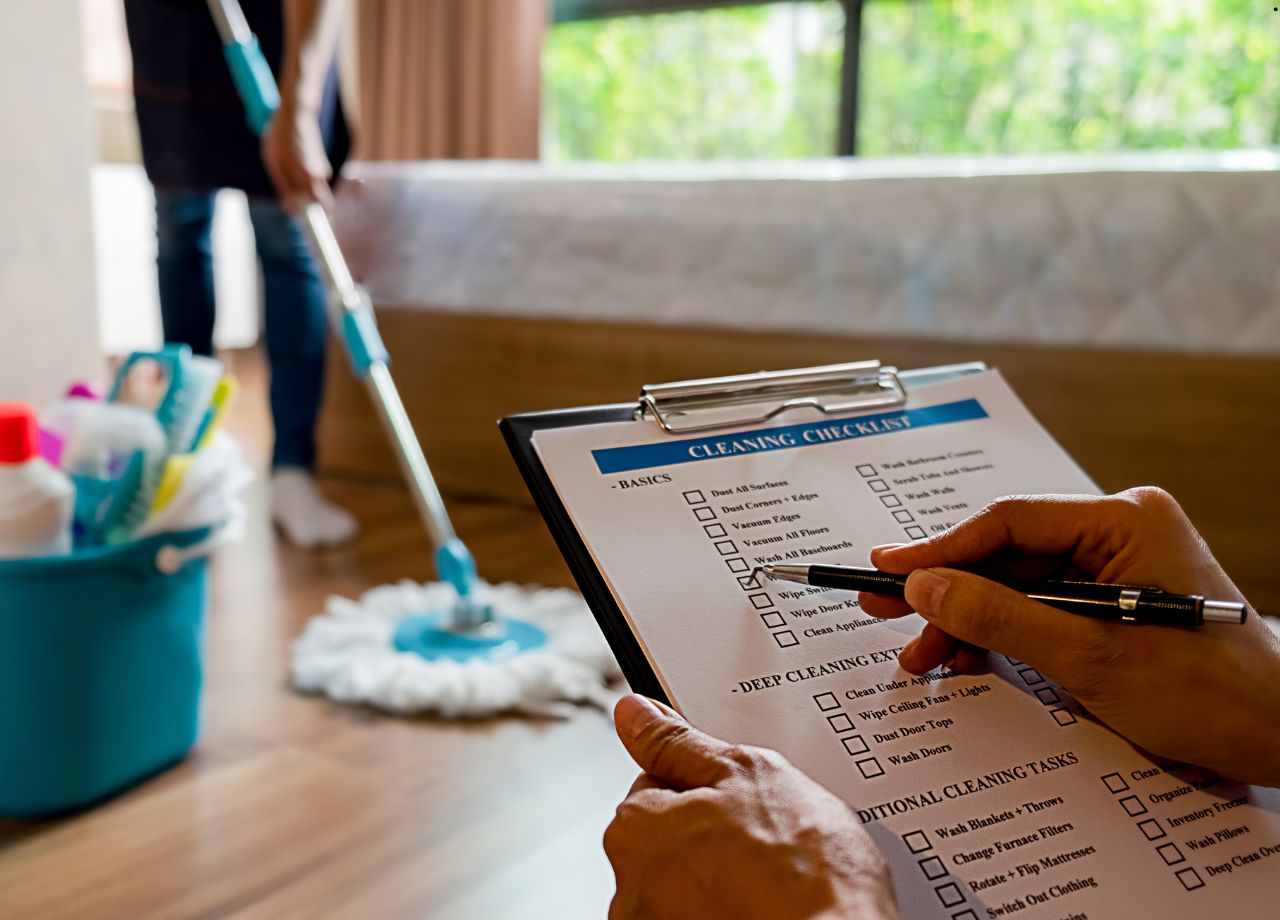
Bedrooms may appear cleaner than other rooms, yet dust and fabric fibers accumulate steadily. Weekly maintenance keeps sleeping spaces fresh and comfortable.
Bedding and Linen Care
Bedsheets and pillowcases collect sweat, skin cells, and dust throughout the week. Washing them regularly improves hygiene and sleep quality.
Changing bedding once per week keeps the sleeping environment fresh. Mattress surfaces also benefit from occasional vacuuming to remove dust.
Surface Dusting
Nightstands, dressers, lamps, and shelves collect dust that spreads through the room if ignored.
A weekly wipe keeps surfaces clean and reduces allergens. Items on dressers should be moved briefly to remove dust underneath.
Closet and Clothing Organization
Clothing left on chairs or floors creates clutter that makes cleaning difficult. Returning clothes to closets or hampers keeps the room tidy.
Closet floors often collect dust and stray items. A quick vacuum prevents buildup in these hidden spaces.
Bedroom Floor Cleaning
Carpeted bedrooms require vacuuming once per week to remove dust and lint. Hard flooring should be swept and mopped to maintain cleanliness.
Beds and dressers trap dust underneath. Moving lightweight items slightly allows better cleaning access.
Entryways and Hallways Often Overlooked
Entryways handle constant traffic yet frequently receive less attention than other rooms. Dirt, shoes, and outdoor debris gather quickly in these areas.
Weekly sweeping or vacuuming prevents dirt from spreading into the rest of the house. Door handles, light switches, and railings should also be wiped regularly since they receive frequent contact.
Hallway floors benefit from the same treatment as main living areas. Clean pathways improve the appearance of the entire home.
Simple Habits That Make Weekly Cleaning Easier
Daily habits support weekly cleaning routines and prevent clutter from building up too quickly. Returning items to their proper place after use keeps surfaces clear and reduces preparation time during cleaning.
Small daily wipes in kitchens and bathrooms help control grime. Weekly cleaning then becomes a quick refresh rather than a major project.
Family participation also makes a noticeable difference. Shared responsibility allows each person to maintain their own spaces and reduces the workload for one individual.
Consistency remains the most important factor. Regular weekly cleaning keeps homes healthy, organized, and pleasant to live in. A structured checklist ensures no room gets overlooked and helps maintain a comfortable environment throughout the entire home.